
In 2026, the fastest way to stop wasting shop time is to use the right cold saw for the job, because the wrong blade choice shows up immediately as poor surface finish, faster wear, and extra sharpening costs. One of the biggest selection mistakes we see is teams guessing at tooth count and speed instead of matching the cold saw blade to the material and the way the machine is set up.
Key Takeaways
| What to decide | What to look for (quick rules) |
|---|---|
| Material type | Start with the metal and the cut you need, then select the cold saw blade type that matches it. |
| Blade diameter | Blade diameter controls cross-section capacity, so choose it around your job size needs. |
| Tooth count | Thickness and profile geometry determine tooth count, thinner work generally wants more teeth. |
| Coating and wear resistance | For tough alloys, TiALN/TiCN style coatings can improve wear resistance and extend life. |
| Speed, feed, chips | Use correct SFPM or RPM, keep feed at a level that cuts instead of rubs, and manage chip evacuation. |
| Stability and fluids | A stable fixture and high-pressure coolant support tight geometry and better finish. |
- Need help choosing the right cold saw blade for your application? Use our blade guidance in the Cold Saw Blade Guide and our guide to cold saws.
- For tooth count and setup details, start with how tooth count affects cutting.
- If you are comparing blade materials, carbide tip and coating options are covered in our carbide tip guide.
Featured products
-
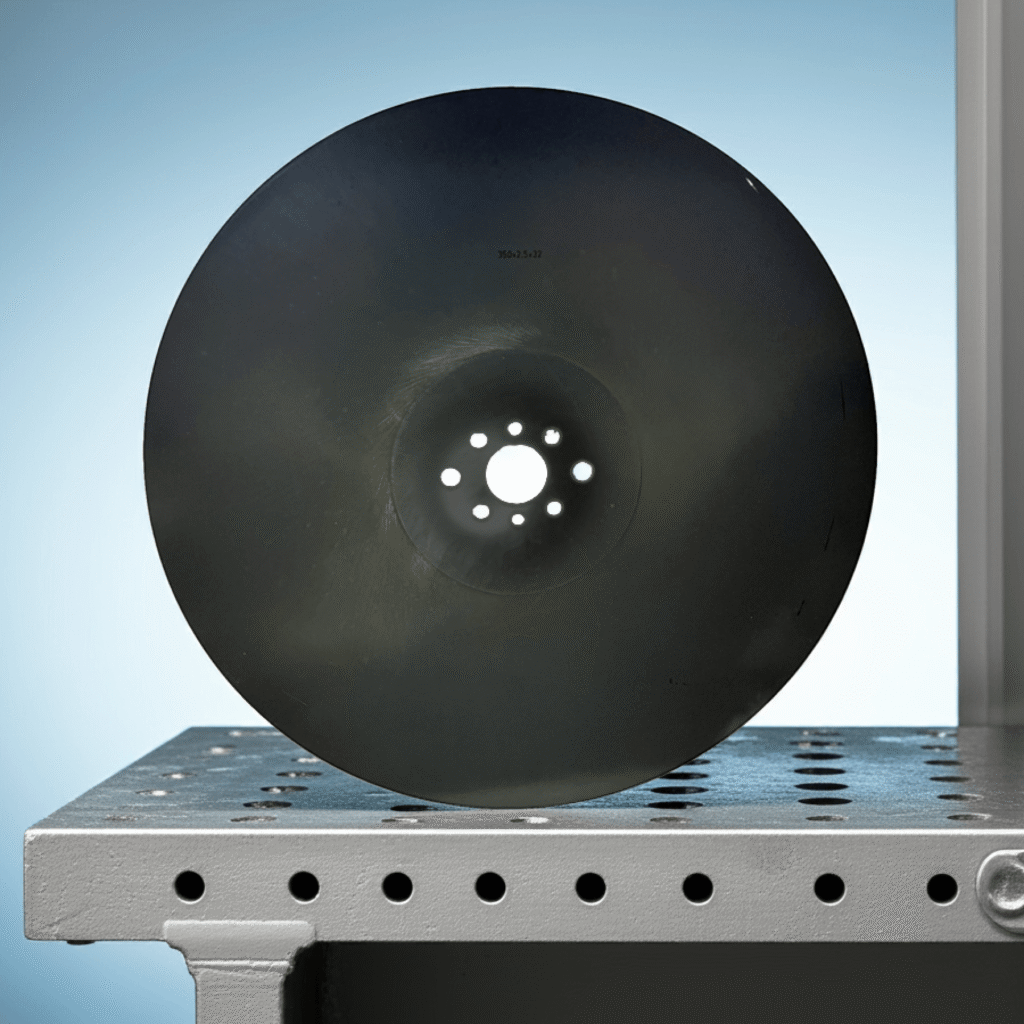
300-330mm diameter – 2.5mm thickness, 40mm Bore Reconditioned Black Oxide Blade
$80.00 -
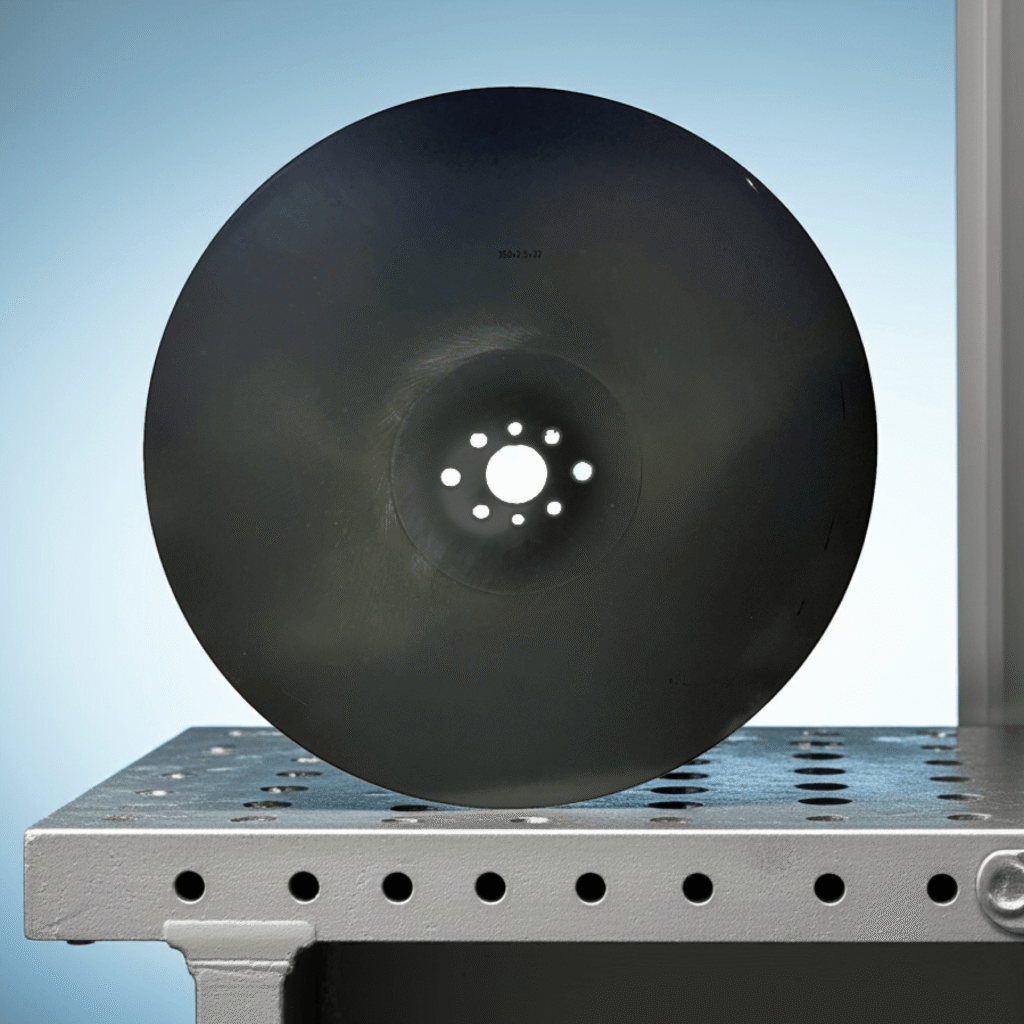
315mm-2.5mm-32mm M2 HSS Saw Blade
$138.97 -
350mm-2.5mm-32mm M2 HSS Cold Saw Blade
$159.04 -
350mm-2.5mm-32mm TIALN Coated Blade
Original price was: $201.96.$190.50Current price is: $190.50.
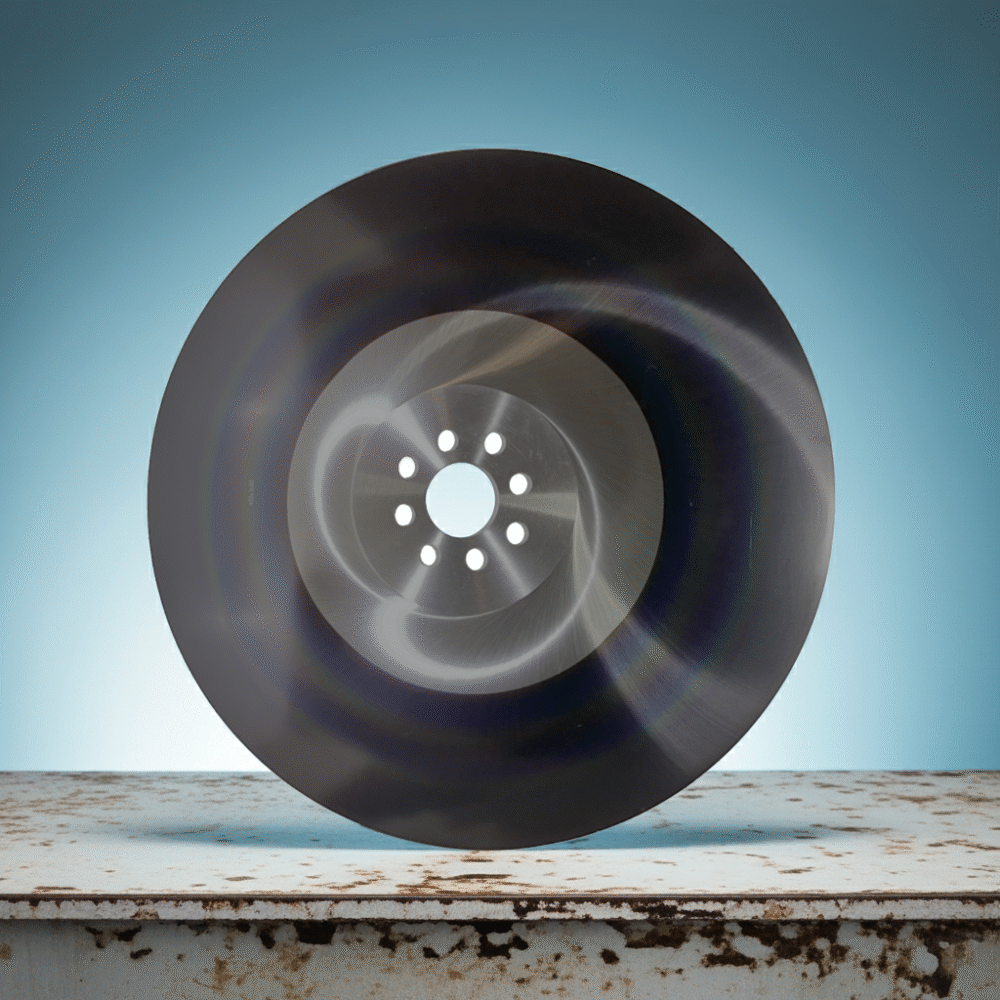
Start with the material and the job, then match the cold saw blade type
When people ask how to choose a cold saw for the job, the real answer starts before blades and speeds, with material and cutting intent. A cold saw blade that works well on stainless steel and high alloy metals can be a poor fit for another alloy because chip formation, wear rate, and finish requirements change.
Our blade selection process always starts with the metal, then pairs it to the blade design and saw setup needed for that job. Cold cut saw blades not performing at their best usually comes back to one thing, the blade choice was not matched to material behavior and the machine parameters it needs.
If you are cutting stainless steel and high alloy metals, begin with a blade category built for those conditions, not a “general purpose” assumption. For example, our M2 HSS cold saw blades are a common choice for demanding metal cutting, and we also stock TiALN/TiCN coated options for wear-critical applications.
Real job questions to answer before you buy
- What material are you cutting, stainless, structural steel, alloy steel, or something else?
- Is the work thick solid stock or thin-walled tubing and profiles?
- Do you need burr control, tight dimensional consistency, or a specific surface finish?
- Are you prioritizing blade life, cut time, or total cost per part?
Choose blade diameter for the cut capacity you actually need
Blade diameter is not cosmetic, it directly impacts how much cross-section you can cut. The simple rule is that a larger blade diameter allows you to cut larger cross-sections, which means you should select diameter around the largest job size your line will run.
In practice, teams that oversize diameter often pay more than necessary, and teams that undersize diameter end up pushing feeds and stability setups to compensate. If you keep your diameter aligned to the part geometry, you set the foundation for consistent cutting and longer blade life.
Match tooth count and tooth pitch to thickness and material behavior
After diameter, the next big lever in how to choose a cold saw for the job is tooth count, sometimes described as tooth pitch (distance from tooth tip to tooth tip) and the number of teeth across the blade.
Our blade guide emphasizes that ideal tooth count depends on the thickness of the material you are cutting. That means the “same blade for everything” plan usually breaks down when the shop shifts from thick solid materials to thinner-walled work.
Here are the two selection directions that consistently help teams pick correctly:
- For thin-walled materials: use a blade with a higher tooth count. More teeth help reduce the risk of chatter and help keep the cut stable on profiles.
- For thick, solid materials: use a blade with a lower tooth count. Fewer teeth can help with chip evacuation and reduce binding as the cut loads increase.
For tooth-related selection details, refer to our tooth count guidance and setup direction in the cold saw blade tooth count section.


Pick speed and feed around the cutting principle, not guesswork
Speed and feed are where many cold saw blade problems become visible. Too low a feed rate can cause teeth to rub instead of cut, which raises heat and accelerates wear. Too fast a feed rate can break teeth or stall the saw, which creates downtime and part scrap.
Our cold saw blade guide explains that speed depends on the material and is often listed as Surface Feet Per Minute (SFPM) or Revolutions Per Minute (RPM). That matters because every material has an optimal SFM range for cutting, and running outside that band can lead to poor finish, faster wear, and inconsistent cut quality.
If your machine only gives two speed settings, don’t panic. For many machines revolutions are limited to two (high and low). Therefore, it is necessary to compromise and select the speed that best apply to the material. Too low a speed is always better than too high a speed.
To connect speed, feed, and tooth interaction to real performance, use our Cold Saw Blade Guide: Teeth, Speed & Selection For Saw Blades, it’s built around exactly how shops dial in the settings that make the blade actually cut.


Use coolant and fluid strategy to protect geometry and improve finish
Even when the cold saw blade choice is correct, cutting fluids can make or break performance. In real grinding and sharpening systems, high pressure coolant helps prevent warping or tempering of the blade, and that same idea shows up in day-to-day cutting stability too.
For cold saw cutting, focus on two outcomes: consistent fluid delivery to the cut zone, and reliable chip evacuation. If the chips are not moving, cutting load rises, tooth wear accelerates, and finish quality falls off.
In our blade guide, fluids and chips are not afterthought topics, they are part of the core selection checklist. That is why the guide also covers feed, chips, and fluids together, because the cold saw blade performance depends on the interaction of all three.
Compare HSS, coated, and carbide options for your wear conditions
When you choose a cold saw for the job, you are also choosing what kind of wear resistance the blade will bring. In 2026, coating and carbide-tipped options remain popular because they extend blade life in tougher alloys and reduce friction that speeds up wear.
Here is how to compare the common cold saw blade materials and coatings, based on our guide content:
- M2 HSS (High Speed Steel): strong general-purpose performance for demanding industrial metal cutting.
- TiALN/TiCN coated blades: built for enhanced wear resistance and reduced friction in challenging applications like stainless and hard alloys.
- Carbide tip: carbide-tipped blades provide enhanced wear resistance and longer life when the cut environment is aggressive.
If you are comparing carbide tipping, start with the carbide tip section. If your parts run stainless or high alloy metals, use the dedicated blade category page for that material setup.
Use real blade examples to narrow down your purchase decision
We keep our selection examples grounded in measurable blade specs, because “right blade” means the right diameter, thickness, bore, and tooth design for your saw setup.
Below are a few cold saw blade examples from our catalog that show how diameter and thickness choices map to job capacity and cut demands.
Featured products
-
300-330mm diameter – 2.5mm thickness, 40mm Bore Reconditioned Black Oxide Blade
$80.00 -
315mm-2.5mm-32mm M2 HSS Saw Blade
$138.97 -
350mm-2.5mm-32mm M2 HSS Cold Saw Blade
$159.04 -
350mm-2.5mm-32mm TIALN Coated Blade
Original price was: $201.96.$190.50Current price is: $190.50.
| Blade example | Specs that matter | Price example |
|---|---|---|
|
315mm-2mm-32mm M2 HSS Saw Blade | 315mm diameter, 2mm thickness, 32mm bore for metal cutting compatibility. | $138.97 |
|
315mm-2.5mm-32mm M2 HSS Cold Saw Blade | 315mm diameter, 2.5mm thickness, 32mm bore, designed for structural steels and alloy steels. | $138.97 |
If you are cutting larger cross-sections and your job needs a bigger blade, you will usually move into larger-diameter options like our steam-treated M2 HSS blade offering. Steam-treated blades are engineered for long life and burr-free finishes in demanding cuts.
| Blade example | Specs that matter | Price example |
|---|---|---|
|
450mm-3mm-50mm M2 HSS Cold Saw Blade | 450mm diameter, 3mm thickness, 50mm bore, steam-treated for long life and burr-free finishes. | $326.31 |
For wear-heavy jobs where friction and wear rate matter, a coated blade may be the smarter starting point. Our TiALN/TiCN coated blade example is built to improve wear resistance, reduce friction, and extend blade life for challenging materials.
| Blade example | Specs that matter | Price example |
|---|---|---|
| 350mm-2.5mm-40mm TicN Coated Blade | Coated blade for improved wear resistance and reduced friction in challenging materials. | $190.50 |
Stability, blade quality, and resharpening quality protect your total cost
Choosing a cold saw for the job is not only about the initial purchase. Stability in the fixture or vice, blade quality, and even resharpening quality influence whether the blade performs the same after maintenance.
Our blade guide explicitly includes stability in fixture/vice, blade quality, and resharpening quality as part of the selection checklist. That is because a blade can be “right on paper” and still underperform if it is not held consistently or if it cannot be sharpened accurately for repeat cycles.
Our sharpening services have been proven to increase the life of your blade and improve cutting performance. With over 2 million dollars in saw service equipment, we are able to offer same day turn-around on all of your sharpening needs, so your production schedule does not get crushed waiting on blades.
If you are comparing whether to buy new or run a sharpening cycle, that same-day turn-around factor is a practical decision point. Our staff has over 80 years of experience and is a top HSS blade shop, and over 8,000 square feet, we have expanded into the largest CNC sharpening company in the country.
And if you are working with specific brands, our catalog includes cold saw blades from manufacturers like Baileigh cold saw blades, Macc cold saw blades, and Scotchman cold saw blades.
For maintenance routines that help maximize blade life, check the Cold Saw Blade Maintenance: The Complete Guide to Sharpening, Storage & Life Extension. It covers break-in, inspection, sharpening timing, and storage habits that protect cutting edge performance.
Pro tip for 2026: if your blades are not performing at their best, don’t only replace parts. Confirm tooth selection, correct speeds and feeds (SFPM or RPM), coolant delivery, and fixture stability. Then use cold saw blade sharpening to restore geometric accuracy.
A concise visual guide to selecting the right cold saw blade. Learn the five steps to match blade type to material and cutting needs.
Where the cold saw blade store approach helps: pick fast, cut consistent, resharpen confidently
At a real cold saw blade store, the goal is not just selling blades, it is helping you choose the correct cold saw blade for the job and keeping it performing. That is why we publish guidance on teeth, speed, feed, chips, fluids, and stability, and then support the blades through sharpening services.
Cold Saw Blade Store is the number one choice for saw blades and cold saw blade sharpening. Need help choosing the right cold saw blade for your application? Our shop-level knowledge and the Cold Saw Blade Guide are built to remove guesswork so you can get top shape cuts faster.
And if price is part of the decision in 2026, we stand behind Best Prices Guaranteed. If you need to compare costs across blade types, you can also look at different diameters and coatings in our shop and then align the blade choice to your material, tooth count, and cutting parameters.
You can browse our blade categories starting at our cold saw blade shop and then narrow down by diameter ranges like 275mm saw blades or 300mm saw blades.
The practical way to choose a cold saw for the job in 2026
In 2026, the best way to choose a cold saw for the job is to match the cold saw blade to the material, pick the right diameter for capacity, select tooth count based on thickness, and then run correct speed and feed using SFPM or RPM targets. When you also manage coolant delivery and fixture stability, you protect finish quality and extend blade life.
If you want consistent production results, use our Cold Saw Blade Guide for teeth, speed, feed, chips, and fluids, then support the blade with cold saw blade sharpening and maintenance routines. That is how teams reduce downtime, keep cutting performance steady, and get the blade performing like new when it matters.
Frequently Asked Questions
How do I choose a cold saw for the job when I do not know the right tooth count?
To choose a cold saw blade correctly, tooth count depends on the thickness of the material you are cutting. For thin-walled materials, use a blade with a higher tooth count, and for thick, solid materials use a lower tooth count to improve chip evacuation and reduce binding.
What SFPM range should I use when selecting a cold saw blade for stainless steel in 2026?
Every material has an optimal surface feet per minute (SFM) range for cutting, and the stainless steel range is not identical to structural steels or hard alloys. When you set speed, use the material-based SFPM or the equivalent RPM guidance from the Cold Saw Blade Guide to keep cutting in the correct band.
Is carbide tip worth it for a cold saw blade, or should I stick with M2 HSS?
Carbide-tipped blades are typically worth it when you need enhanced wear resistance and longer life in tough cutting conditions. For many demanding applications, M2 HSS performs strongly, but carbide tip and coatings can help when wear rate becomes your limiting factor.
Why does my cold saw blade rub instead of cut after I change feeds and speeds?
If the feed rate is too slow, the teeth will rub instead of cut, which raises heat and accelerates wear. Use the Cold Saw Blade Guide to balance speed and feed so the teeth are actively cutting, and check fluid delivery so chips evacuate reliably.
What causes broken teeth on a cold saw blade?
If the feed rate is too fast, you risk breaking teeth or stalling the saw. In addition to feed, confirm your tooth count choice for the material thickness and verify coolant and chip evacuation so cutting load does not spike.
Where can I get help choosing a cold saw blade and also get cold saw blade sharpening near my shop?
We support blade selection and cold saw blade sharpening through our Cold Saw Blade Guide and maintenance guidance. If you need saw service, we offer same day turn-around on sharpening needs, helping you plan production without long blade downtime.
