
Get the wrong blade on the wrong cold saw and you’re not just wasting money, you’re risking the machine. A resharpenable cold saw blade can cut steel cutting costs by as much as 90% compared to abrasive methods, but only when the blade’s bore, diameter, and tooth geometry actually match the machine it’s bolted into. When it comes to Scotchman vs Doringer: matching the right blade to the machine, the差 differences aren’t cosmetic. They come down to arbor size, RPM range, and how the blade is designed to run.
Key Takeaways
- Scotchman machines commonly run 275mm and 350mm blades with 32mm or 40mm arbors, depending on the model.
- Doringer machines in the D300 and D350 class need blades sized specifically to those bore and diameter classes, not generic substitutes.
- Blade thickness (2.0mm, 2.5mm, or 3.0mm) changes rigidity and chip clearance, and picking the wrong thickness affects cut quality on either brand.
- Genuine cold saw blades are heat treated to 63-65 Rc, which is what lets them hold an edge through repeated resharpening.
- A blade can be resharpened dozens of times over its working life, so matching it correctly the first time protects that investment.
- Our Cold Saw Blade Guide covers tooth count, speed, feed, and fluid recommendations for both machine families.
- We carry dedicated blade selections for Scotchman cold saw blades and Doringer cold saw blades, sized correctly out of the gate.
Shop Blades for Scotchman Cold Saws
Shop Blades for Doringer Cold Saws
Scotchman Cold Saw Blades: Arbor Sizes, Diameters, and Thickness Options
Scotchman machines, most commonly the 275 model and 350 model, are built around specific arbor sizes. Get this wrong and the blade simply won’t seat correctly, or worse, it’ll wobble under load.
For the 275mm class machines, we stock blades with a 32mm arbor. For the 350mm class, both 32mm and 40mm arbors are in play depending on the exact machine configuration.
Thickness matters just as much as bore size. Scotchman-compatible blades come in 2.0mm, 2.5mm, and 3.0mm options, and each thickness “best applies” to a different cutting scenario.
- Thinner blades (2.0mm) improve rigidity when cutting solid bar stock.
- Thicker blades (3.0mm) allow higher chip removal rates on softer materials.
- Mid-range 2.5mm blades split the difference for general fabrication work.
Our 315mm-2mm-32mm M2 HSS Saw Blade runs $138.97 and covers the tighter-tolerance end of Scotchman fabrication work. If you need extra bore support on that same diameter, the 315mm-2.5mm-40mm M2 HSS Saw Blade, also $138.97, gives you the 40mm arbor fit for higher-rigidity cuts on structural metals.
Doringer Cold Saw Blades: Compatibility Across D300 and D350 Models
Doringer machines run on a different sizing logic than Scotchman equipment, and that’s where a lot of shops trip up. The D300 and D350 model families call for blades matched specifically to those size classes, with bore options that differ from what you’d install on a Scotchman.
We stock thin and thick blade options for Doringer machines, along with coating choices depending on the material you’re running. A shop cutting mild steel all day doesn’t need the same coating package as one running stainless or aluminum extrusions.
Genuine cold saw blades built for machines like these are heat treated and hardened to 63-65 Rc, which is the hardness range that lets a blade survive repeated grinding cycles without losing its edge geometry. That’s not a spec you can eyeball. It’s the difference between a blade that lasts through a full resharpening cycle and one that chips out early.
Scotchman vs Doringer: Matching the Right Blade to the Machine’s Arbor and Bore
This is the core of the comparison, and it’s simpler than most people make it. Arbor size is non-negotiable. A 32mm bore blade will not run safely on a machine built for a 40mm arbor, and forcing a fit with an adapter is a shortcut we don’t recommend.
| Feature | Scotchman | Doringer |
|---|---|---|
| Common Diameters | 275mm, 350mm | 300mm, 350mm |
| Arbor Sizes | 32mm, 40mm | Model-specific bore options |
| Thickness Range | 2.0mm to 3.0mm | Thin and thick options available |
| Coating Options | M2 HSS, TiAlN | M2 HSS, coated variants |
Before you order anything, pull the arbor spec off your machine’s data plate. Cross-reference it against our Scotchman cold saw blade lineup or Doringer cold saw blade lineup before you place the order. It’s the single fastest way to avoid a blade that shows up and doesn’t fit.
Tooth Count, Speed, and Feed: Getting the Cutting Parameters Right
Matching the bore is step one. Matching the tooth count and running speed to the material is step two, and it applies whether you’re running a Scotchman or a Doringer.
Our main rule, covered in depth in the Cold Saw Blade Guide, is 3 to 6 teeth in the cut at all times. Too few teeth in the cut and you get chatter and premature tooth failure. Too many and you choke the gullets with chips.
Speed selection follows a similar logic. For many machines revolutions are limited to two settings, high and low. Therefore, it is necessary to compromise and select the speed that best applies to the material you’re cutting.
Too low a speed is always better than too high a speed. A slow cut costs you time. A fast cut on the wrong setting costs you a blade.


Coatings and Material Choices: M2 HSS, TiAlN, and Carbide Tip
Once bore and tooth count are locked in, coating is the next variable that separates a good match from a great one. M2 HSS is the workhorse choice for general steel cutting on both Scotchman and Doringer machines, and it’s what most shops run day to day.
TiAlN coating adds heat resistance and extends tool life on harder alloys and higher-volume production runs. If you’re running a Scotchman 350 model in a shop cutting stainless or tool steel regularly, the 350mm-2.5mm-32mm TiAlN Coated Blade at $190.50 is built for exactly that load.
For shops needing longer runtime between sharpening cycles, our carbide-tipped blade guide covers why carbide holds up better on abrasive or high-volume tough material cuts, at a higher upfront cost but a longer service interval.
Why Matching the Right Blade to the Machine Matters for Blade Life
Here’s what actually happens when a blade doesn’t match its machine correctly. The bore runs slightly loose, the blade wobbles under cutting pressure, and every tooth takes uneven load instead of a clean, consistent bite.
That uneven load doesn’t just dull the blade faster. It can knock the blade out of the ±.002″ straightness tolerance that cold saws are built to deliver, the same tolerance that lets shops skip secondary deburring and assemble parts right off the saw.
Correctly matched, a quality blade holds that tolerance cut after cut, and it stays resharpenable instead of getting retired early from chipped teeth or warped geometry.
Sharpening and Resharpening: Extending Blade Life on Both Machines
A blade properly matched to its machine, whether that’s a Scotchman or a Doringer, doesn’t just cut cleaner. It resharpens better, too.
Cold Saw Blade Store is the number one choice for saw blades and cold saw blade sharpening, and our sharpening services have been proven to increase the life of your blade and improve cutting performance. Our staff has over 80 years of experience and is a top HSS blade shop.
With over 2 million dollars in saw service equipment, we offer same day turn-around on all of your sharpening needs. That matters most for shops running Scotchman or Doringer machines around the clock, where downtime waiting on a blade isn’t an option.
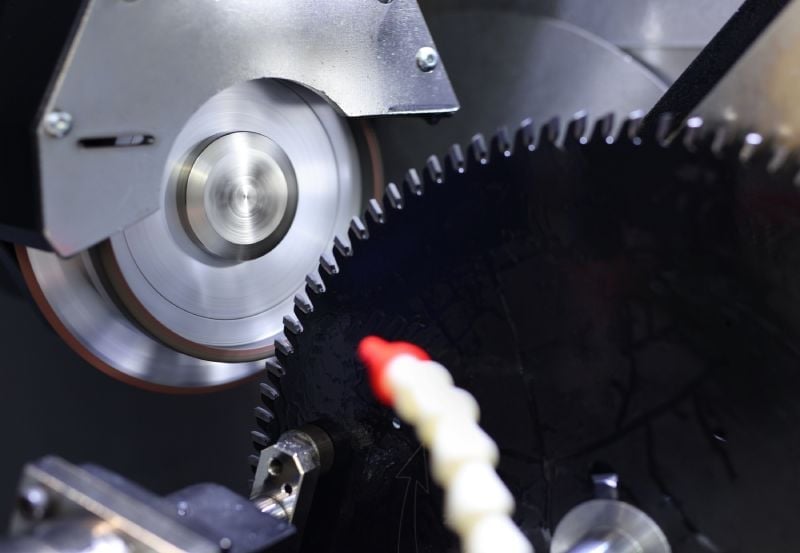
The overall blade finish is maximized due to the high pressure coolant used during grinding cycles, which prevents warping or tempering of the blade, something that’s common on CNC machines that utilize vitrified grinding wheels. A blade can be resharpened up to 50 times over its working life, which is exactly why getting the initial match right pays off cut after cut, sharpening after sharpening.
Scotchman vs Doringer: Which Blade Setup Fits Your Shop
If your shop runs a Scotchman 275 or 350, standardize on 32mm or 40mm bore blades in the thickness that matches your typical stock, and keep a TiAlN-coated option on hand for harder alloy runs.
If you’re running a Doringer D300 or D350, confirm bore spec against your machine plate before ordering, and don’t assume a Scotchman-sized blade will drop in as a substitute. It won’t, and forcing it risks the arbor.
Shops running mixed fleets, some Scotchman machines and some Doringer machines side by side, need to keep blade inventory clearly labeled by diameter and bore. We’ve seen more than a few shops lose time on the floor because a 315mm-2.5mm-32mm blade got grabbed for a machine that needed the 40mm version instead.
Featured products
-
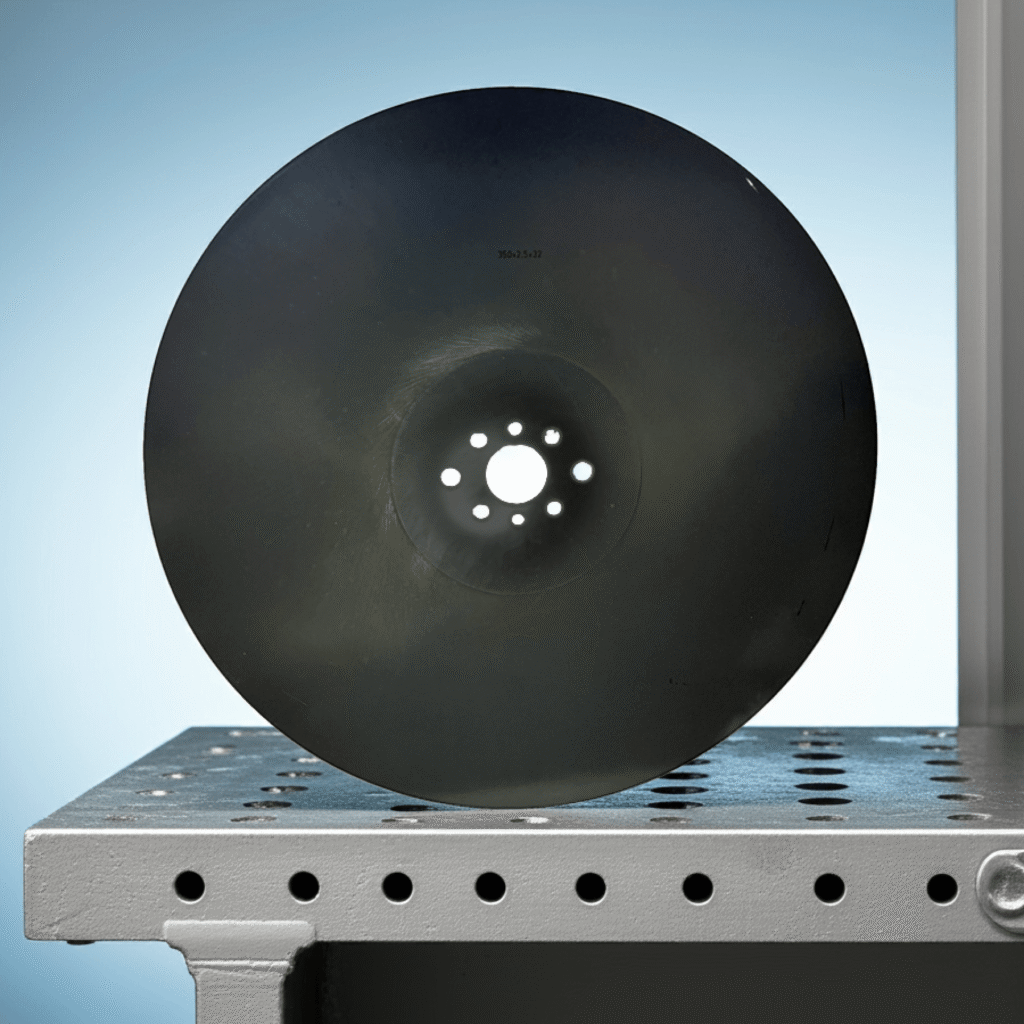
300-330mm diameter – 2.5mm thickness, 40mm Bore Reconditioned Black Oxide Blade
$80.00 -
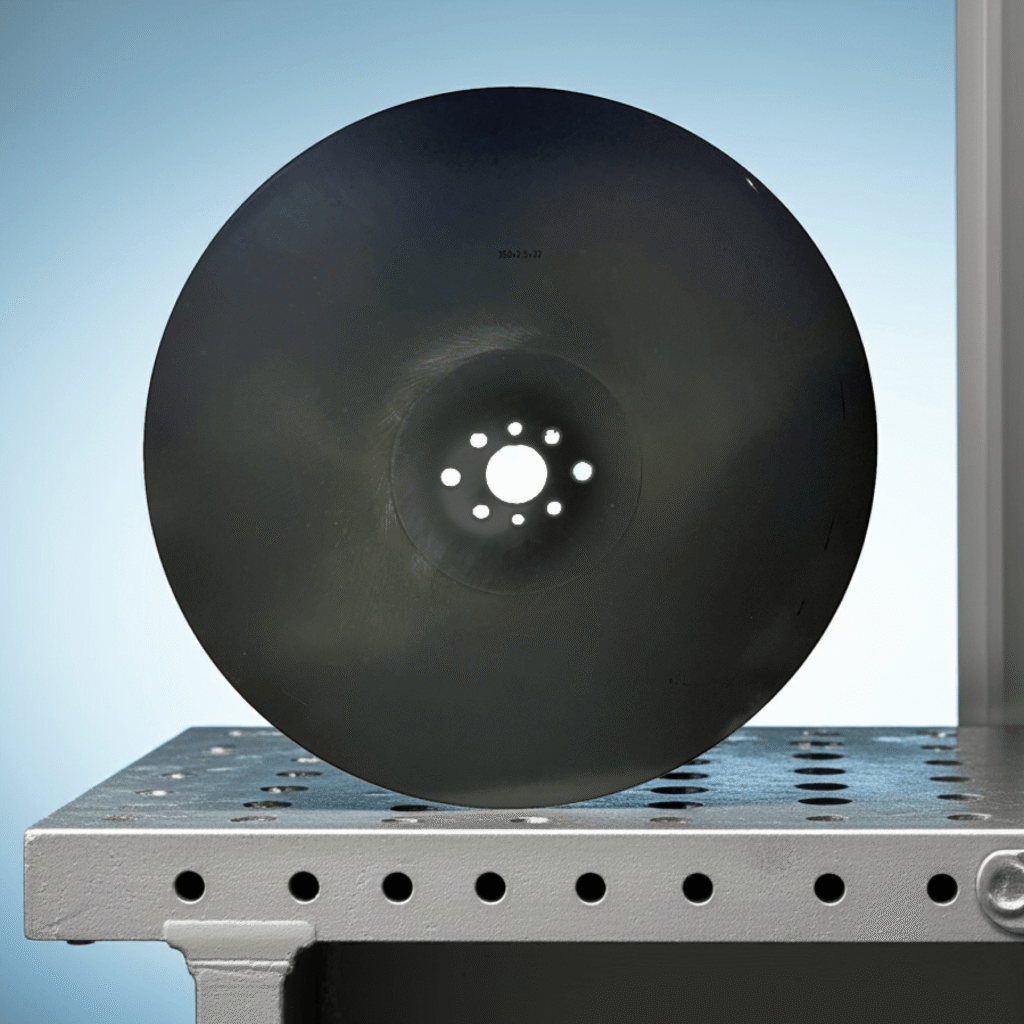
315mm-2.5mm-32mm M2 HSS Saw Blade
$138.97 -
350mm-2.5mm-32mm M2 HSS Cold Saw Blade
$159.04 -
350mm-2.5mm-32mm TIALN Coated Blade
Original price was: $201.96.$190.50Current price is: $190.50.
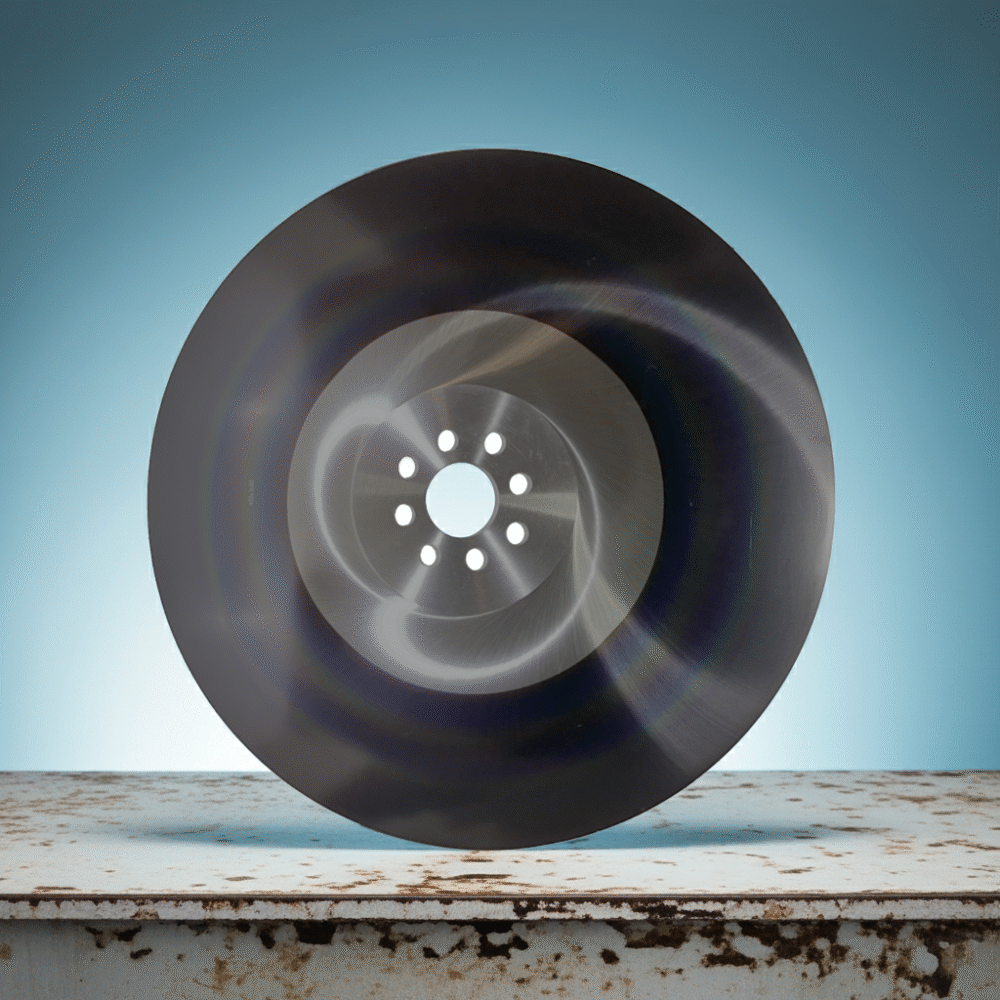
Our 350mm-2.5mm-40mm M2 HSS Saw Blade and the standard 350mm-2.5mm-32mm M2 HSS Saw Blade, priced at $159.04, cover both bore configurations on the larger Scotchman platforms, so double-checking which one your machine actually needs takes about thirty seconds and saves a returned order.
An infographic comparing Scotchman and Doringer blade compatibility, highlighting five key factors for matching blades to machines.
Wrapping Up Scotchman vs Doringer
Scotchman vs Doringer isn’t really a competition between brands, it’s a matter of matching the right blade to the machine sitting on your shop floor. Get the bore, diameter, thickness, and tooth count right, and either machine will deliver clean, resharpenable cuts for years.
Get any one of those specs wrong, and you’re looking at premature wear, poor tolerance, or a blade that simply doesn’t fit. Need help choosing the right cold saw blade for your application? Our team has the experience to match you to the correct fit, on Scotchman, Doringer, or any other cold saw running in your shop, don’t fret, we’ve matched thousands of these before.
Frequently Asked Questions
Can I use a Doringer blade on a Scotchman machine?
Generally no. Scotchman vs Doringer machines run different arbor and bore configurations, so a blade sized for one brand typically won’t seat correctly on the other without a proper adapter, which we don’t recommend for safety reasons.
What blade size does a Scotchman 350 machine need?
Most Scotchman 350 model machines run 350mm diameter blades with either a 32mm or 40mm arbor, depending on the exact machine configuration, so check your data plate before ordering.
How do I know which bore size my Doringer machine needs?
Check the machine’s model designation (D300 or D350) and confirm the bore spec on the data plate. Doringer models each have specific bore requirements that don’t always match Scotchman-sized blades.
Is a TiAlN coated blade worth the extra cost in 2026?
If you’re cutting stainless, tool steel, or running high-volume production, yes. The added heat resistance extends tool life enough to offset the higher upfront price, particularly on Scotchman 350 class machines running heavier daily loads.
How many times can a cold saw blade be resharpened?
A quality cold saw blade can be resharpened up to 50 times, which is why matching the correct blade to your Scotchman or Doringer machine the first time protects a long-term investment rather than a disposable one.
What tooth count should I use for matching the right blade to the machine?
The main rule is 3 to 6 teeth in the cut at all times, regardless of whether you’re running a Scotchman or Doringer. Fewer teeth in the cut causes chatter, and too many chokes the gullets with chips.
Where can I buy Scotchman or Doringer compatible blades?
We stock dedicated Scotchman and Doringer blade lines sized to the correct bore and diameter for each machine family, with same-day sharpening turn-around available for blades already in your shop.
