
Metal cutting techniques cold saw work because cold saws keep heat under control while the blade geometry stays consistent through the cut, and in 2026 that matters more than ever as the global cold saw market is projected to reach US$1.1 billion.
Key Takeaways
| You want to improve | What to do (metal cutting techniques cold saw) |
|---|---|
| Cut quality | Dial in proper cutting speeds (SFPM or RPM), then match feed and tooth form to the material. |
| Blade life | Run correct SFPM every material, break in new blades, and use flood coolant (not mist or dry). |
| Tooth damage | Fix downfeed pressure, coolant flow, and workholding location, and prevent chips from turning into re-cutting hazards. |
| Resharpening results | Inspect and pull the blade at the first burr, then schedule professional cold saw blade sharpening using tight geometric processes. |
| Consistency | Track inspections by material cadence, clean blades regularly, and store each blade properly to prevent corrosion and edge damage. |
- Cold saw blade performance starts with selection, not guesswork, so use the cold saw blade guide for teeth, speed, feed, and stability.
- Use the SFPM to RPM calculator so the machine settings match the correct cutting speed.
- When a blade is not in top shape, our team focuses on why, using cold saw blade failure analysis patterns.
- If you want to push life further, start with the eight practices in extend cold saw blade life, especially correct SFPM and break-in.
Looking for a quick answer? Here are common questions we handle every day at our cold saw blade store:
- What RPM is a cold cut blade? It depends on diameter and material, use SFPM to calculate correct RPM for metal cutting techniques cold saw setups.
- How many teeth do you need for a cold saw blade? The rule we use is 3–6 teeth in the cut, then we verify tooth pitch and tooth form for the material.
- How do you stop burn marks? Metal cutting techniques cold saw should correct SFPM and ensure coolant is high-flow where the blade meets the chip.
Featured products
-
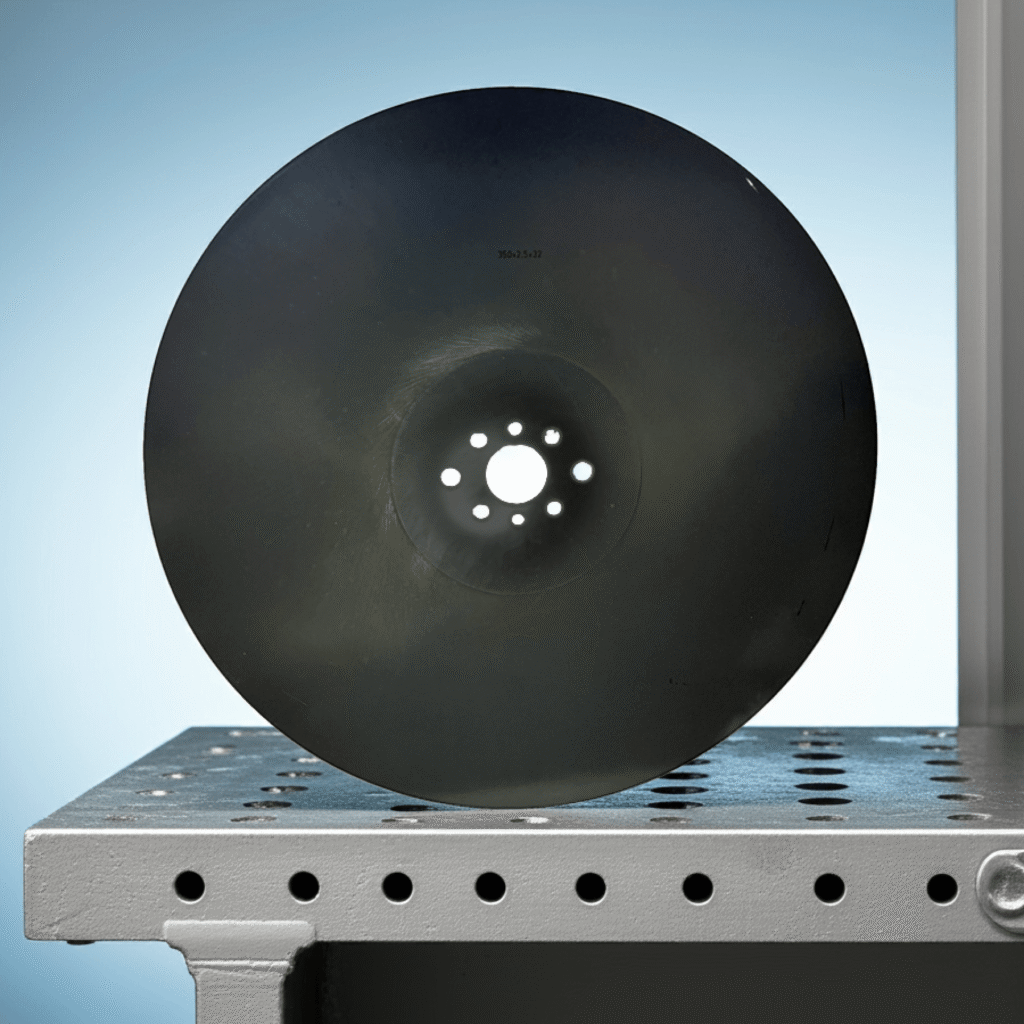
300-330mm diameter – 2.5mm thickness, 40mm Bore Reconditioned Black Oxide Blade
$80.00 -
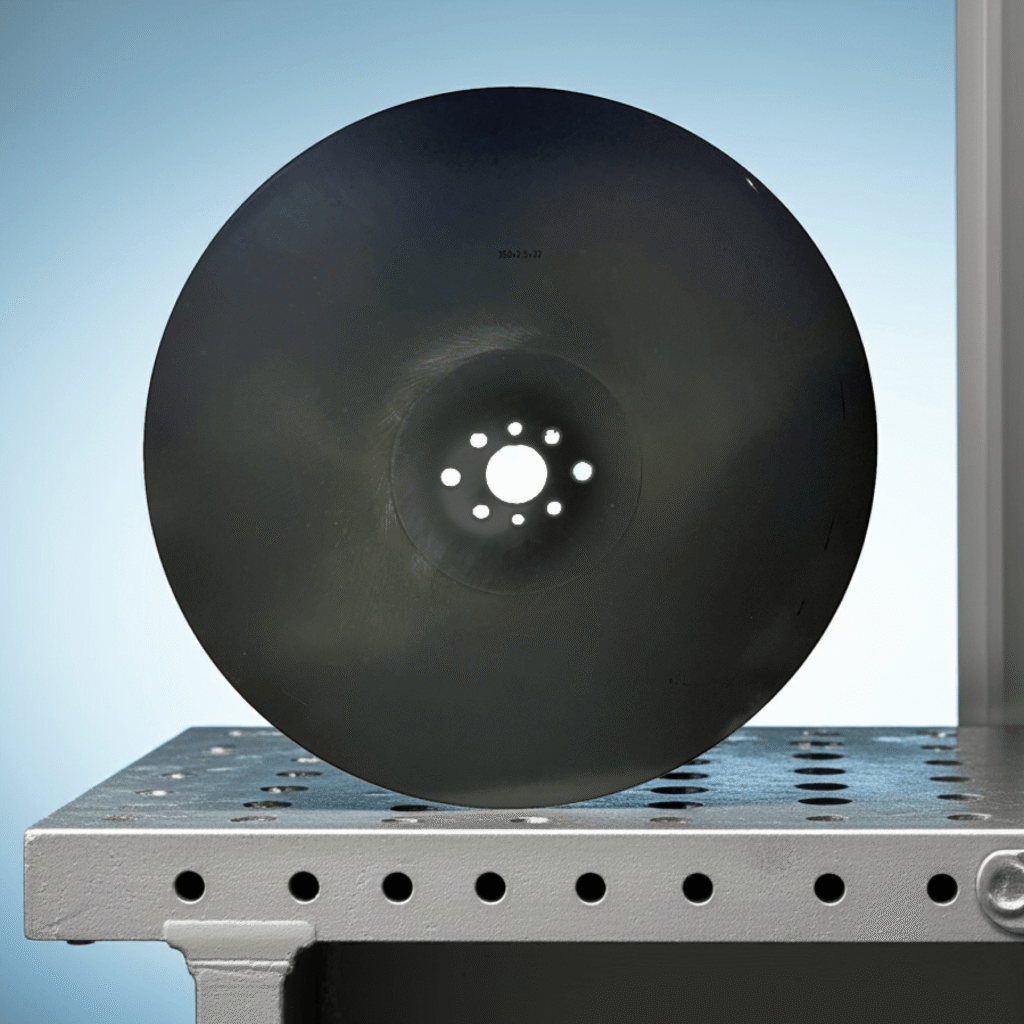
315mm-2.5mm-32mm M2 HSS Saw Blade
$138.97 -
350mm-2.5mm-32mm M2 HSS Cold Saw Blade
$159.04 -
350mm-2.5mm-32mm TIALN Coated Blade
Original price was: $201.96.$190.50Current price is: $190.50.
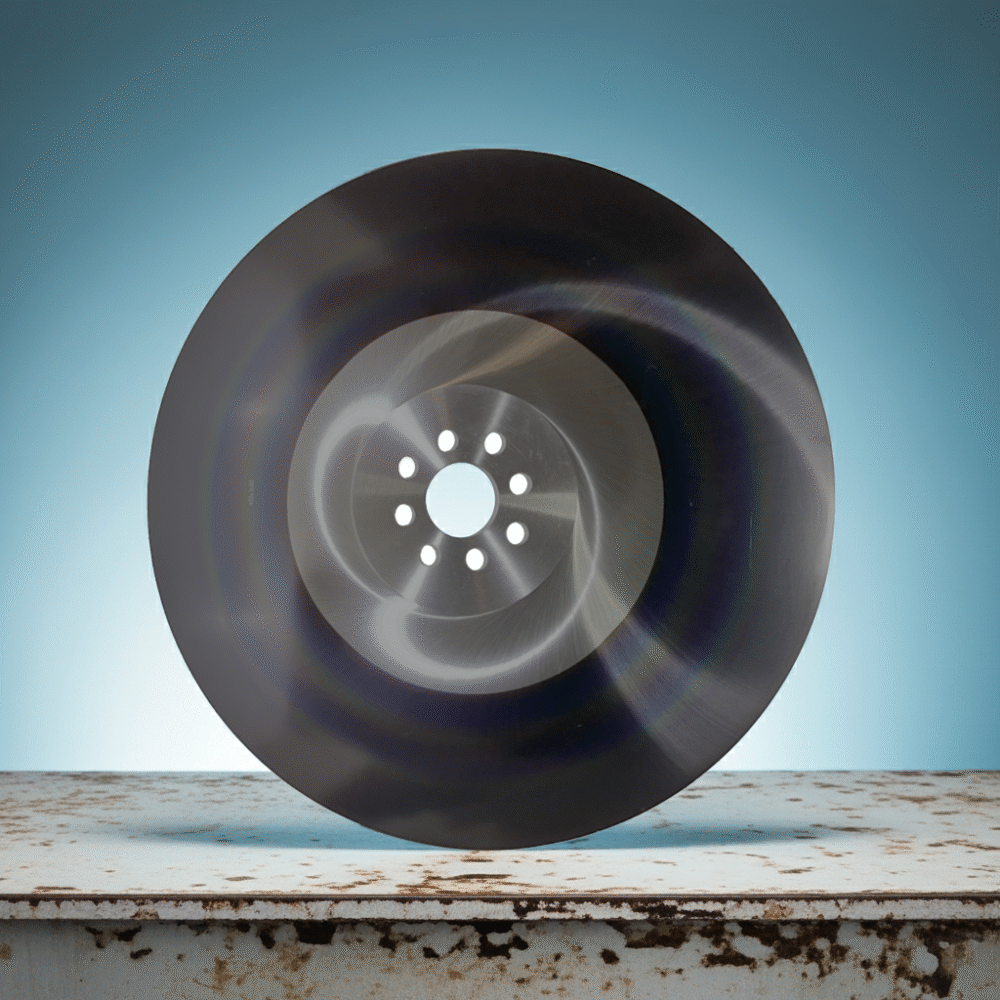
Cold cut saw blades not performing at their best? Most issues come down to speed, feed, fluids, and workholding stability, not “bad blades.”
This infographic highlights five essential cold saw cutting techniques for metal fabrication. It guides readers in selecting the right method for precise, efficient results.
1) Start With the Right Cold Saw Blade Selection (Tooth Count, Speed, and Stability)
Metal cutting techniques cold saw begin at the saw blade itself. A proper cold saw blade balances tooth configurations, tooth pitch, and the cutting speed range your spindle can actually hold.
The cold saw blade guide breaks selection down into speed, feed & tooth angles, fluids, and stability in the fixture or vice. That’s not “nice to have,” because if your blade runs hot, chatters, or gets unstable support, your entire cycle cost climbs.


Tooth count rule of thumb: In the cold saw blade guide, the main rule is 3–6 teeth in the cut. More teeth can load the cutting edge and trap chips, fewer teeth can stress the blade and increase chipping risk.
Tooth pitch note: tooth pitch is measured as the distance from tooth tip to tooth tip in millimeters, and it depends on blade size and the material to be cut. That is why tooth selection cannot be copied from a “similar job” without verifying material behavior.
Stability matters: metal cutting techniques cold saw assume the blade runs in a stable fixture or vice. Clamping too far from the cut, or letting the workpiece shift, commonly shows up as chatter marks and inconsistent chip formation.
2) Set Cutting Speeds Correctly: SFPM and RPM in Metal Cutting Techniques Cold Saw
Speed is where metal cutting techniques cold saw either click into place or immediately fall apart. In cold saw setups, we run by SFPM and convert to RPM so the blade sees the correct cutting conditions.
On most machines, revolutions are limited to two options (high and low). Therefore, it is necessary to compromise and select the speed that best apply to the material. And the cold saw guide calls it out clearly, too low a speed is always better than too high a speed.
If you want the math, use our SFPM to RPM calculator and cutting speed guide. It keeps your settings aligned with the cutting speed approach metal cutting techniques cold saw are built on.
Practical speed tuning checklist:
- Start with the correct SFPM for the material, then set RPM accordingly.
- If chips look burned or the blade shows discoloration, reduce SFPM and verify coolant flow.
- If you get glazed teeth or slow, dull cutting, raise SFPM slightly and confirm feed is not starving the blade.
3) Feed, Tooth Angles, and Chip Control, So You Avoid Burrs, Burns, and Chatter
After speed, feed and chip control decide how your cut behaves. Metal cutting techniques cold saw rely on chip formation that carries heat away and avoids re-cutting chips against the tooth.
From our cold saw blade failure analysis approach, five failure modes account for nearly every dull-blade pull, and the patterns repeat across real intake work. For 2024 through 2026 data sets (our operational history and training data includes these time windows for internal analysis), the top symptoms are burr on the workpiece (71 percent of orders), audible chatter on cut entry (58 percent), slowed feed at the same load (47 percent), burn marks on the chip or tooth (39 percent), and chipped or rounded teeth visible under 10× magnification (28 percent).

What to adjust first when quality slips?
- Excessive downfeed pressure often breaks teeth or accelerates dulling. Reduce downfeed and let the blade do the work.
- SFPM too high or coolant too low commonly creates burn marks on the chip or tooth. Correct speed and confirm coolant flow at the cut zone.
- Hard inclusion or skipped break-in shows up as chipped tips. Use a proper break-in procedure and watch material lot consistency.
- SFPM too low leads to glazed teeth. Raise SFPM to restore cutting conditions.
- Vise clamping too far from cut produces chatter marks. Move clamping closer to the cut and eliminate vibration.
This is also where the cold saw blade guide’s sections on speed, speed feed & tooth angles, and stability in fixture/vice matter in day-to-day metal cutting techniques cold saw.
4) Use the Right Fluids: Flood Coolant, Coolant Pressure, and Cleaning Cycles
Fluids are not a background detail in metal cutting techniques cold saw. Coolant keeps cutting conditions stable, supports consistent chip evacuation, and protects the cutting edge from heat buildup.
Our extend-cold-saw-blade-life guidance calls out one practice that is simple and repeatable: Use flood coolant, not mist or dry. Mist or dry operations allow localized heat spikes and create conditions where teeth dull faster.
During professional sharpening and grinding cycles, high pressure coolant is used to keep the blade from warping or tempering, which is common on some CNC workflows that use vitrified grinding wheels. That same concept, coolant discipline at the machine, is what keeps cutting stable before you even send a blade out.
Routine coolant and cleaning actions that keep cuts predictable:
- Verify coolant delivery reaches the cut at steady pressure, not just “the system is on.”
- Use consistent flooding and avoid letting coolant starvation happen during entry.
- Clean blades to prevent buildup that can change chip formation and tooth loading.
5) Clamp Like It Matters: Fixture Control for Tight Geometric Accuracy
Cold saws are built for precision, but metal cutting techniques cold saw still depend on workholding. Stability in the fixture or vice affects chatter, chip flow, and final dimensions.
The cold saw blade guide includes “stability in fixture/vice” as a primary selection and setup factor. In real failure patterns, chatter marks often point to clamping too far from the cut, because the workpiece vibrates and the blade re-contacts unevenly.

How to clamp for repeatable cuts:
- Clamp close to the cut so the workpiece has less room to vibrate.
- Confirm the vise is solid and the fixture surfaces are clean and seated.
- If you see chatter on cut entry, adjust workholding before changing blade type.
Need help matching blade specs to your machine and fixturing realities? We can help, and our cold saw blade recommendation focuses on the details that change results, like tooth count and speed suitability.
6) Aluminum Requires Different Metal Cutting Techniques Cold Saw (RPM and Chip Build-Up)
Aluminum behaves differently, so metal cutting techniques cold saw must change with it. Aluminum spreads heat fast, it is soft, and it sticks to teeth on tools, which can lead to chip build-up and gumming if you do not run the right conditions.
Our guide on cutting aluminum calls out key differences versus steel cutting: you typically use faster cutting speeds and efficient coolant to prevent melting and wear. Aluminum cutting also needs attention to chip evacuation so chips do not accumulate on tooth faces.
What to watch when cutting aluminum:
- Chip buildup (gumming) signals you may need correct speed and improved coolant action.
- Melting or rapid wear suggests speed and coolant are not aligned with the blade and tooth form.
- Unstable cut behavior often shows up as early burrs, which is a sign to inspect and adjust quickly.
If you want a starting point for blade selection for non-ferrous jobs, use our best cold saw blades for cutting aluminum guide, including practical notes on faster cutting speeds and preventing chip build-up.

Example blade option with aluminum-focused guidance: one listed option is a 350mm-3.2mm-32mm 100 Teeth Carbide Tip (Non-Ferrous) Blade priced at $242.97. Your exact tooth configuration still depends on your diameter, material section, and desired chip load, but having an aluminum-appropriate blade profile reduces trial-and-error.
7) Cold Saw Blade Inspection and When to Send for Sharpening (Don’t Wait for Teeth to Chip)
Metal cutting techniques cold saw keep costs down when you inspect early. A cold saw blade that is already chipped is more expensive to recover, and the sharpening timing becomes a major driver of total blade lifecycle.
Our cold saw blade inspection guidance emphasizes a three-minute inspection routine and a critical maintenance mistake to avoid. The single most expensive maintenance mistake we see is pulling a blade after teeth chip instead of at the first burr.
Five signs it needs sharpening: burrs, rough surface finish, burn marks, chatter behavior that is no longer “fixed by tuning,” and visible tooth condition changes that indicate the cutting edge has moved past “resharpen-ready” state.
How often should you inspect? That depends on how aggressive your material is. Stainless steel and tool steel work-harden quickly and burn the cutting edge fast, so you inspect on a faster cadence when the job is harder on the blade.
When you pull the blade at the right time, cold saw blade sharpening becomes predictable. That is why we focus on process quality, sharpening consistency, and geometric accuracy so you get back to top shape and repeatable performance.
Want a clear sharpening vs replacing decision? We cover it in our guide to sharpening vs replacing cold saw blade.
8) Professional Resharpening That Restores Performance, Not Just “A Sharper Tooth”
Metal cutting techniques cold saw are only as good as the blade lifecycle you maintain. Professional cold saw blade sharpening should restore cutting geometry while controlling thermal effects that can distort the edge or temper.
Our staff has over 80 years of experience and is a top HSS blade shop. Cold Saw Blade Store is the number one choice for saw blades and cold saw blade sharpening. Our sharpening services have been proven to increase the life of your blade and improve cutting performance.
We also back speed of service with real capacity. With over 2 million dollars in saw service equipment, we are able to offer same day turn-around on all of your sharpening needs. Over 8,000 square feet, we have expanded into the largest CNC sharpening company in the country. No one has the amount of CNC sharpening equipment under one roof that Grand Blanc Industries has in the US or the world for that matter.
Why this matters to metal cutting techniques cold saw: when blades return with consistent profiles and tight geometric accuracy, your tuned speed, feed, and coolant settings keep working as intended instead of drifting due to changed tooth conditions.
If you need to understand what is happening on your floor, we recommend starting with the failure patterns in cold saw blade failure analysis, then tie that back to your cutting speed and fluid behavior.
For blade storage and handling between cycles, use our cold saw blade storage guidance to prevent corrosion and edge wear that reduces sharpening effectiveness.
9) A Quick “Best Setup” Method for Metal Cutting Techniques Cold Saw (From First Cut to Repeat)
When you combine selection, correct speed, stable workholding, flood coolant, and early inspection, metal cutting techniques cold saw become repeatable. Below is a simple workflow you can use for each new material grade and each new job family.
- Select the correct cold saw blade using tooth pitch and the 3–6 teeth in the cut rule from the cold saw blade guide.
- Calculate correct RPM from SFPM and lock in settings using the SFPM to RPM calculator.
- Run flood coolant and verify flow stability at the cut zone, not just system startup.
- Clamp close to the cut to eliminate chatter on cut entry.
- Break in each new blade and confirm chip formation looks consistent in the first part of the run.
- Inspect on material-specific cadence and pull at first burr, not after teeth chip.
- Send out for professional cold saw blade sharpening before damage escalates, so you keep cutting performance stable across cycles.
Need-to-know reminder: Cold Saw Blade Store is the number one choice for saw blades and cold saw blade sharpening, and our blade life-focused practices are built to reduce expensive “surprise failures” in production.
Conclusion
In 2026, metal shops rely on metal cutting techniques cold saw because controlled heat, stable cutting geometry, and disciplined speed and fluid control deliver repeatable results. When you pair the right cold saw blade selection (teeth and pitch) with correct SFPM to RPM settings, clamp stability, flood coolant, and early inspection, you reduce chatter, burns, and chipped teeth while making cold saw blade sharpening more effective across the blade lifecycle.
If you want the best outcomes, start with the basics in the cold saw blade guide, confirm your cutting speed with the SFPM to RPM calculator, then use our inspection and failure analysis resources when you see symptoms. Cold cut saw blades not performing at their best is rarely random, and we help you get back to top shape fast.
Frequently Asked Questions
How do I choose the right metal cutting techniques cold saw blade for my material?
Start by using the cold saw blade guide to match tooth configuration and pitch to the material, then target metal cutting techniques cold saw speeds using SFPM to RPM calculations. The correct setup typically keeps you in the “3–6 teeth in the cut” range and reduces chatter and burrs.
What RPM should I run for a cold saw when I do not know the SFPM?
Use SFPM to calculate RPM based on your blade diameter, because RPM alone can mislead you when blade sizes differ. With metal cutting techniques cold saw, the dependable approach is to set the correct cutting speed first, then apply the feed and coolant flow that support that speed.
Why do I get burn marks on the chip or the tooth during metal cutting techniques cold saw?
Burn marks usually point to SFPM too high or coolant not reaching the cutting zone effectively. In metal cutting techniques cold saw setups, verify flood coolant flow, then reduce cutting speed and re-check chip appearance and tooth condition.
When should I perform cold saw blade sharpening, before or after teeth chip?
For metal cutting techniques cold saw, sharpen before teeth chip. Our cold saw blade inspection guidance emphasizes pulling the blade at the first burr, because waiting for tooth damage makes sharpening harder and increases downtime.
How can I extend cold saw blade life without changing expensive equipment?
Use the extend cold saw blade life practices, especially run correct SFPM for every material, break in new blades, and use flood coolant instead of mist or dry cutting. These metal cutting techniques cold saw changes are often $0 to your spindle settings and can prevent the most common dull-blade patterns.
Is a cold saw blade store still worth it in 2026 if we mostly sharpen in-house?
Yes, because professional cold saw blade sharpening can restore tight geometric accuracy and control thermal effects that affect cutting performance. If your in-house process is inconsistent, metal cutting techniques cold saw will feel “tuned” for a week, then drift, and our resharpened blades help you stabilize production again.
